
May Trout Plan
What a Real Half-Day Trout Plan Looks Like in May
A good May trout trip is usually shorter than people want to admit. The better plan is not fishing harder. It is building a cleaner sequence.
The Mistake
Most late-spring trout trips fail because the first move had no second move attached to it. People burn the early window, lose movement, lose bait, then start covering random water hoping the bite resets somewhere else. That is when the running, lure changes, and guessing start. May gives you more options, but it also punishes loose decision-making faster.
What's Actually Happening
May and June are controlled by expanding bait and shrinking prime feeding windows. Shrimp begin spreading deeper into the system, trout move farther across reefs, points, drains, and outside edges, and more water starts looking playable. But not all of it stays productive once sunlight increases, boat traffic builds, or movement weakens. The cleanest trips are usually the ones that transition correctly before the water falls apart.
The Pattern
A real half-day trout plan should have a defined first shot, a nearby fallback, and a clean reason to move. The early stop should organize bait, have visible movement, and give honest feedback quickly. Then the second move should tighten structure, current, or protection before the broader water gets sloppy.
What This Looks Like on the Water
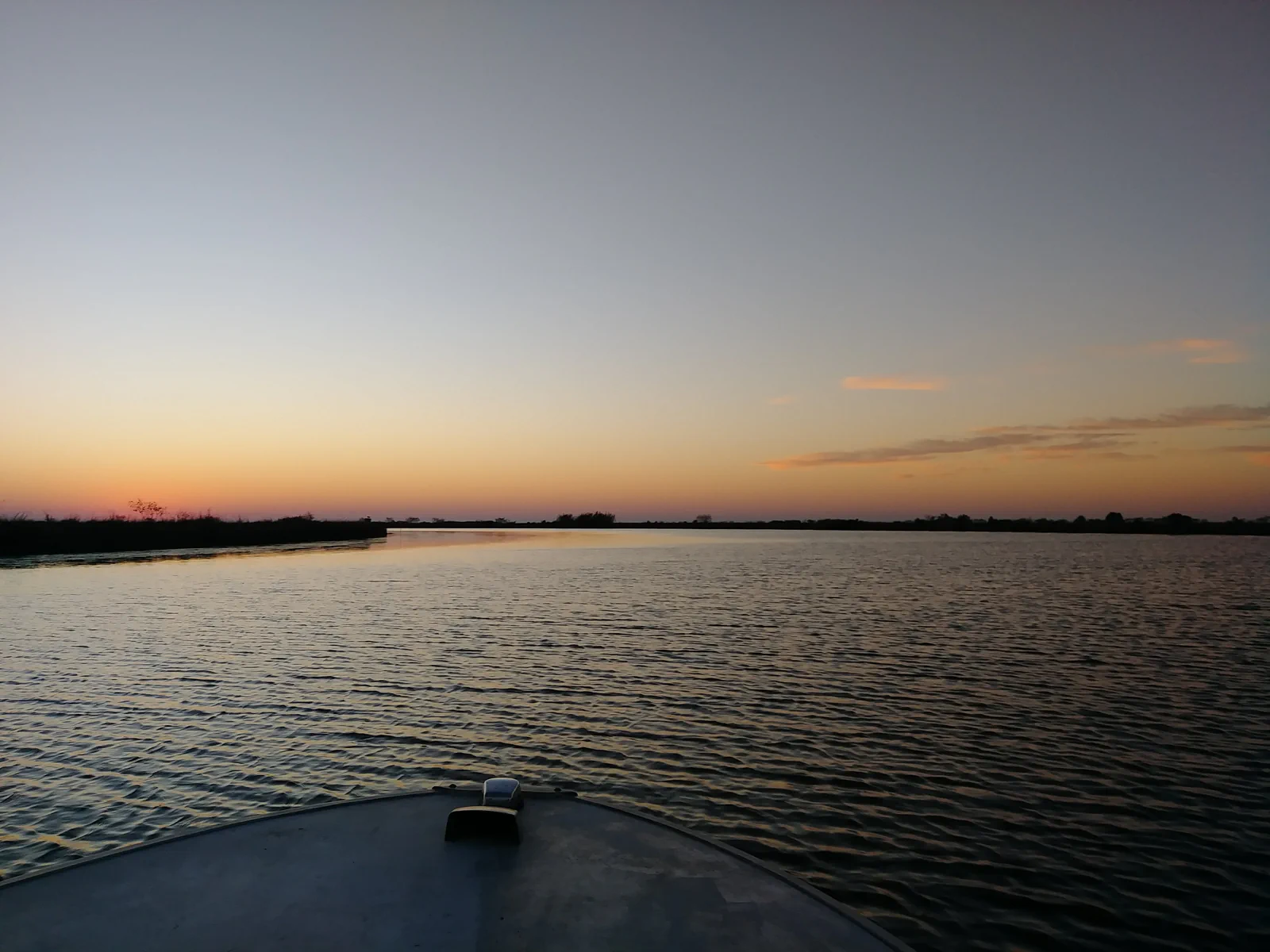
You start on a reef edge or point at daylight. Bait is crossing cleanly. Trout are feeding. The lane feels alive. Then movement slows, boat traffic builds, and bites spread out. Instead of forcing the same stop too long, you slide tighter toward drains, protected points, shell edges, or nearby redfish fallback water. The adjustment happens before the bite completely dies. That is the difference.
How to Adjust
Fish May like a progression. Take the clean low-light opportunity first. Read the lane quickly. Move before the water loses shape. A good fallback should stay close enough that you protect the strongest part of the morning instead of wasting it on a long run. When movement weakens, tighten structure, tighten current, and tighten the lane.
When to Leave
Leave when the water has answered. Do not wait for dead water to become honest. Move when bait stops crossing the lane, current stops shaping the structure, water color gets worse, bites stop repeating, or the stop never tightens into a readable pattern. Good water usually tells the truth quickly.
Bottom Line
A real May half-day trout plan is not about fishing longer. It is about maximizing the clean window, protecting your next move, and staying around bait that still has direction. The best trips usually come from two or three clean decisions, not fifteen random ones.
How to apply it
Take the clean low-light opportunity first, read the lane quickly, and move before the water loses shape.