
Early Summer
The June Trout-to-Redfish Handoff That Saves the Box
This is one of the best months to let the early trout lane speak first and then slide to a tighter redfish pattern before the day gets stale. Redfish water still has to show bait, movement, water level, and a way in and out.
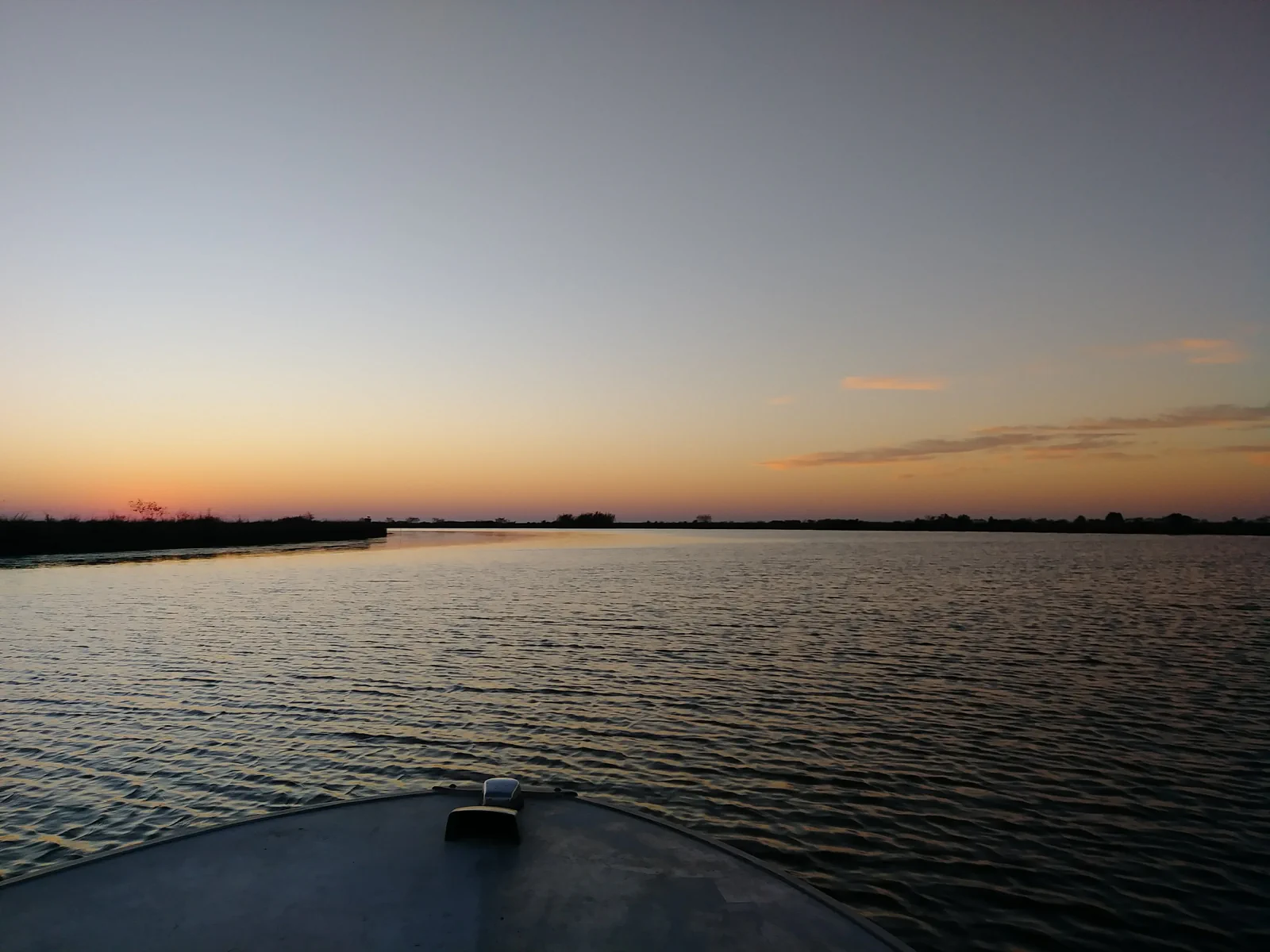
First move
Start with the decision
- Start here: Start on the bank or drain that has water on it, bait using it, and a clean way for fish to move in and out. Pretty shoreline without those pieces should not get your best hour.
- If not working: If the bank goes quiet, slide to the next point, drain, pond mouth, or protected edge that keeps bait and water level together.
- Avoid: The trap is fishing a pretty bank that has no bait, no water level, and no movement.
The Redfish Read
This is one of the best months to let the early trout lane speak first and then slide to a tighter redfish pattern before the day gets stale. Early summer opens more water, but it does not make every stretch equal. The best water still has bait, movement, enough clarity, and a next move close enough to use. For this topic, the useful water is not just the best-looking water. It is the water where protected banks, grass lines, pond mouths, drains, and warming or moving edge water are giving fish a reason to stay close enough to feed.
The Trap
The trap is fishing a pretty bank that has no bait, no water level, and no movement. That mistake usually shows up the same way: the water looks good enough from a distance, but it never tightens into a real read. No organized bait. No repeatable current. No clean edge. No nearby fallback. That is when time starts leaking out of the morning.
First Move
Start on the bank or drain that has water on it, bait using it, and a clean way for fish to move in and out. Pretty shoreline without those pieces should not get your best hour.
If It Is Not Working
If the bank goes quiet, slide to the next point, drain, pond mouth, or protected edge that keeps bait and water level together. Watch for the simple signs: bait that stays organized, water color that holds, current that gives your presentation a path, and a route that can be repeated nearby. If those signs disappear, the move should happen before frustration makes it sloppy.
Bottom Line
This is one of the best months to let the early trout lane speak first and then slide to a tighter redfish pattern before the day gets stale. The decision is not about forcing a favorite spot. It is about finding the water that still has bait, movement, clarity, comfort, and a repeatable next move. When those pieces are missing, leave early. When they line up, fish the lane with discipline and let the pattern tell you how far to push it.
How to apply it
Start on the bank or drain that has water on it, bait using it, and a clean way for fish to move in and out. Pretty shoreline without those pieces should not get your best hour.
Quick answers
What should decide the first stop?
Start with protected banks, grass lines, pond mouths, drains, and warming or moving edge water that can prove bait, movement, clarity, and a repeatable next move quickly.
What is the main mistake?
The trap is fishing a pretty bank that has no bait, no water level, and no movement.
When should I adjust?
Adjust when bait scatters, current loses shape, water color gets worse, boat control falls apart, or the stop stops giving useful feedback.