
Summer Management
Summer Heat, Current, and Release Survival
Summer still produces excellent inshore fishing, but the playbook gets narrower. Early and late windows rise in value, current becomes more important, and fish stress climbs fast in hot water.
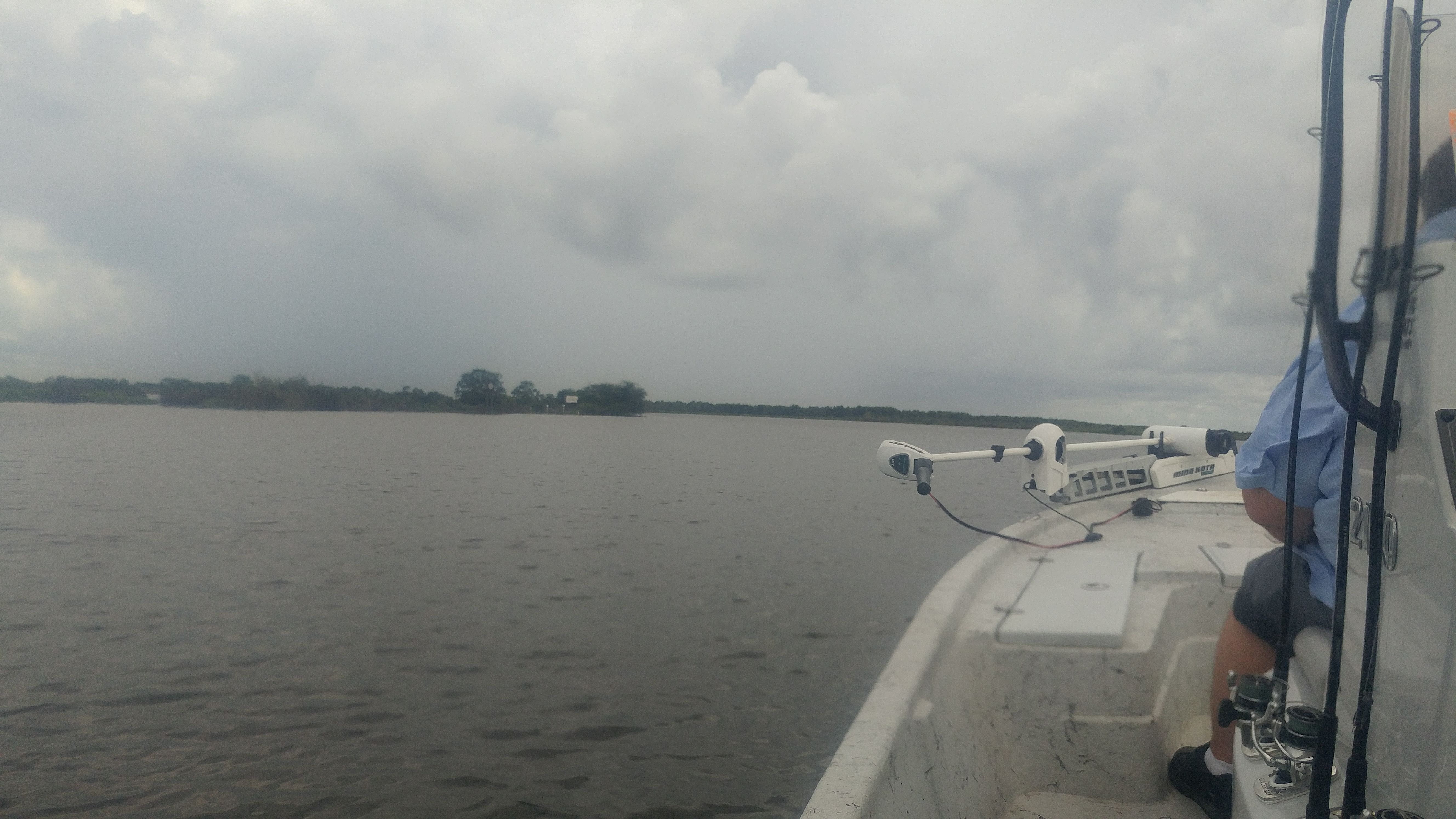
Why this pattern matters
This article gives the site a real summer reference point instead of relying on generic hot-weather advice. Plan around first light, hold a mid-day fallback near passes or deeper edges, and shorten exposure time for fish you release.
- Current and depth matter more as heat rises.
- Dawn and dusk become the highest-efficiency periods.
- Fish care is part of summer performance.
Best fit water in summer
Summer is at its best where current, shade, and depth overlap. Passes, reef edges, bridge shadows, deeper drains, and open lanes with moving water all give fish a reason to stay comfortable longer into the day. Low-light redfish water still matters, but it is usually the opening move rather than the all-day answer.
- Treat dawn and the first hour of sun as your highest-value shallow window.
- Keep one deeper current lane ready before the shallow bite fades.
- If the surface looks alive early, use that information fast because the pattern may compress by mid-morning.
How the summer plan fails
The summer plan fails when anglers force broad shallow water for too long or ignore how quickly the system loses comfort once the heat stacks up. The same flat that produced topwater action at sunrise can become empty, stressed, and low-value after the light gets high. Fish handling becomes part of the problem too when catches stay out of the water too long.
- Open still water with no current usually gets worse faster than anglers want to admit.
- Too much run-and-gun mid-day burns time that should go into one better current lane.
- Rough release handling turns a good summer trip into a bad stewardship day.
How to adjust once the heat takes over
Slide with the fish instead of against them. If the early lane dies, move to the nearest water that still has current, shade, or a cleaner depth transition. Keep presentations efficient, shorten the fight when possible, and release fish quickly when they are not going in the box. Summer rewards anglers who treat conditions as narrowing windows, not as one long bite.
- Switch from broad search water to edge-specific current water by late morning.
- If storms threaten, tighten the route and avoid making the whole plan dependent on one long run home.
- Use the hottest part of the day for your safest and most controlled water, not your most exposed one.
How to apply it
Plan around first light, hold a mid-day fallback near passes or deeper edges, and shorten exposure time for fish you release.
Quick answers
Why does the morning bite die so hard in summer?
Because light, heat, and traffic quickly strip shallow water of its advantage, so fish slide toward deeper edges, current, or shade.
What matters more in summer, bait choice or current?
Current. The right bait still matters, but the biggest mistake is fishing dead water and expecting the lure to save the location.
What is the smartest summer fallback if the shallow plan collapses?
A nearby deeper edge, pass, or shadow line that still keeps bait moving and gives fish some relief from the heat.
Forecast guidance is informational and should be verified against current official marine weather and advisories.