
Flounder Pattern
Fishing Spring Flounder: Cuts, Points, and Channel Edges That Hold Flatfish
Flounder are not out there handing out freebies on every bank that looks decent. Most of the time they are laid up on one little bottom line where bait has to cross, and if you are not dragging it slow enough, you are not really fishing for them.
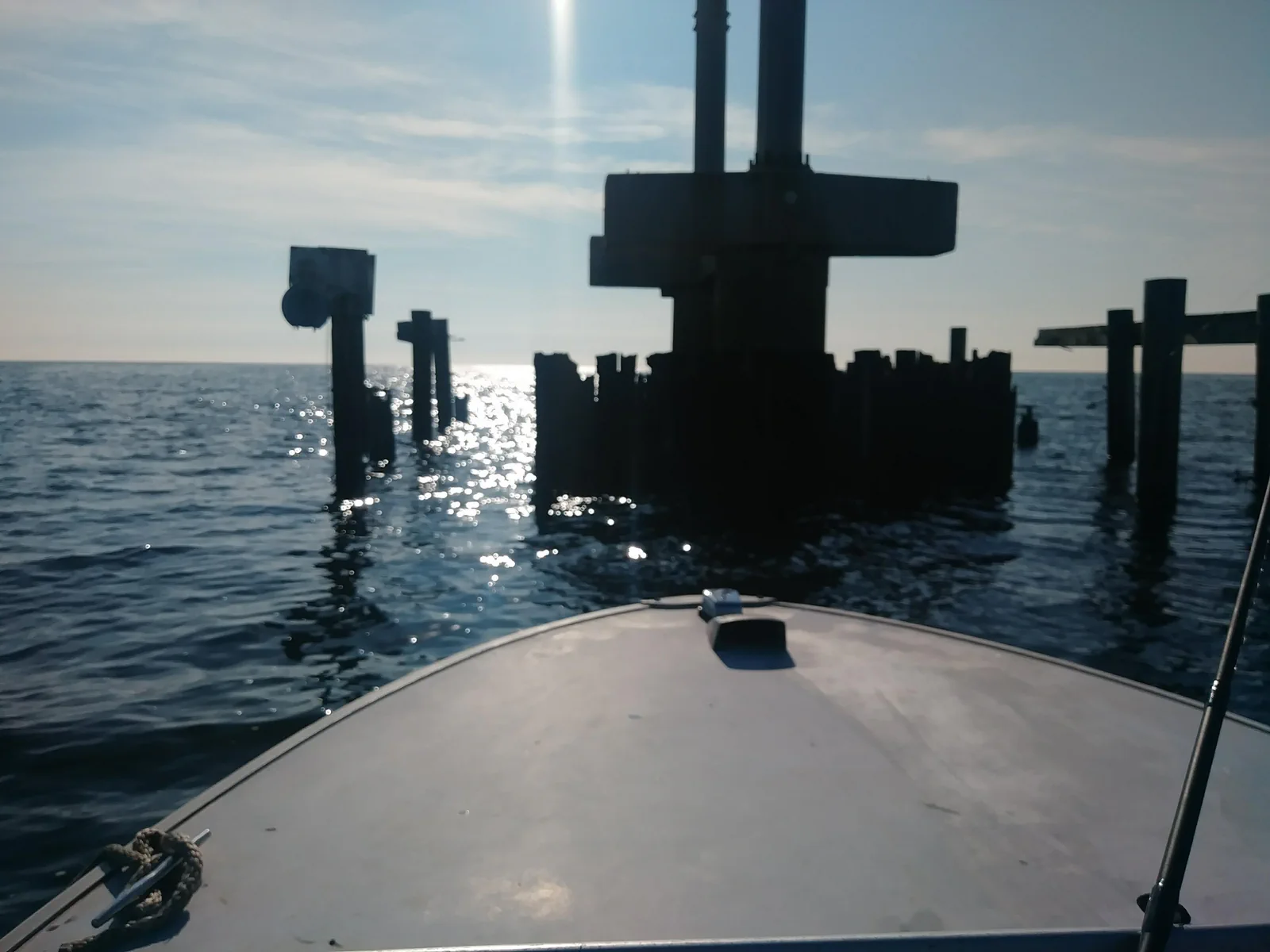
The read
This pattern is less about covering water and more about keeping your bait where a lazy flatfish can pin it to the bottom.
The mistake
Most folks miss this pattern because they fish too fast, get off the bottom, or treat flounder water like they are hunting roaming trout. Flounder will absolutely sit there and never tell on themselves until your bait crawls right through their face. If you are rushing, you are just sightseeing.
- If you are not feeling the bottom, you are probably not in the real lane.
- Too much speed turns a precise bite into guesswork.
- A good-looking point without bait traffic is still mostly empty water.
What is actually happening
This pattern is less about covering water and more about keeping your bait where a lazy flatfish can pin it to the bottom.
How the bite sets up
The best spring flounder water is a cut, turn, pinch point, or channel edge that forces bait across one honest bottom line. Flounder like places where two kinds of water meet and they can just lay there waiting on something to make a mistake.
- Look for a bait route, not just a pretty shoreline.
- The best flounder edges have both movement and bottom definition.
- A little point with flow will beat a bigger dead bank every time.
Movement logic
Stick to cuts, channel turns, and little points with a real bottom edge, then fish slow enough to feel like you are almost moving too slow.
What it looks like on the water
The best spring flounder water is a cut, turn, pinch point, or channel edge that forces bait across one honest bottom line. Flounder like places where two kinds of water meet and they can just lay there waiting on something to make a mistake.
How to adjust
Before you leave, change your angle, slow your cadence down, and fish the next connected bottom line in the same neighborhood. Flounder do not usually ask for a giant move first. They ask for a tighter route, a better angle, or a slower bait. If that still gets you nowhere, move to the next cut or channel turn that keeps the same bait-crossing logic.
- Work the edge thoroughly before cranking up and leaving the basin.
- Let bottom contact set the retrieve speed.
- When in doubt, tighten the route instead of widening the hunt.
When it falls off
Most folks miss this pattern because they fish too fast, get off the bottom, or treat flounder water like they are hunting roaming trout. Flounder will absolutely sit there and never tell on themselves until your bait crawls right through their face. If you are rushing, you are just sightseeing.
- If you are not feeling the bottom, you are probably not in the real lane.
- Too much speed turns a precise bite into guesswork.
- A good-looking point without bait traffic is still mostly empty water.
Bottom line
Before you leave, change your angle, slow your cadence down, and fish the next connected bottom line in the same neighborhood. Flounder do not usually ask for a giant move first. They ask for a tighter route, a better angle, or a slower bait. If that still gets you nowhere, move to the next cut or channel turn that keeps the same bait-crossing logic.
How to apply it
Stick to cuts, channel turns, and little points with a real bottom edge, then fish slow enough to feel like you are almost moving too slow.
Quick answers
What ruins the spring flounder plan most often?
Fishing too fast and leaving bottom-oriented structure before the spot has actually been worked correctly.
What kind of point is best for spring flounder?
A point that actually narrows bait movement and sits close to a real bottom edge or channel transition.
How long should I stay on a likely flounder edge?
Long enough to test multiple bottom lines and retrieve angles. Flounder water often proves itself slower than trout or redfish water does.