
Post-Front Structure
Sheepshead and Black Drum After a Cold Front: A Structure-Based Pattern
After a cold front, sheepshead and black drum do not disappear. They tighten to structure, reduce movement, and give anglers one of the more reliable short-term patterns while broader bites reset.
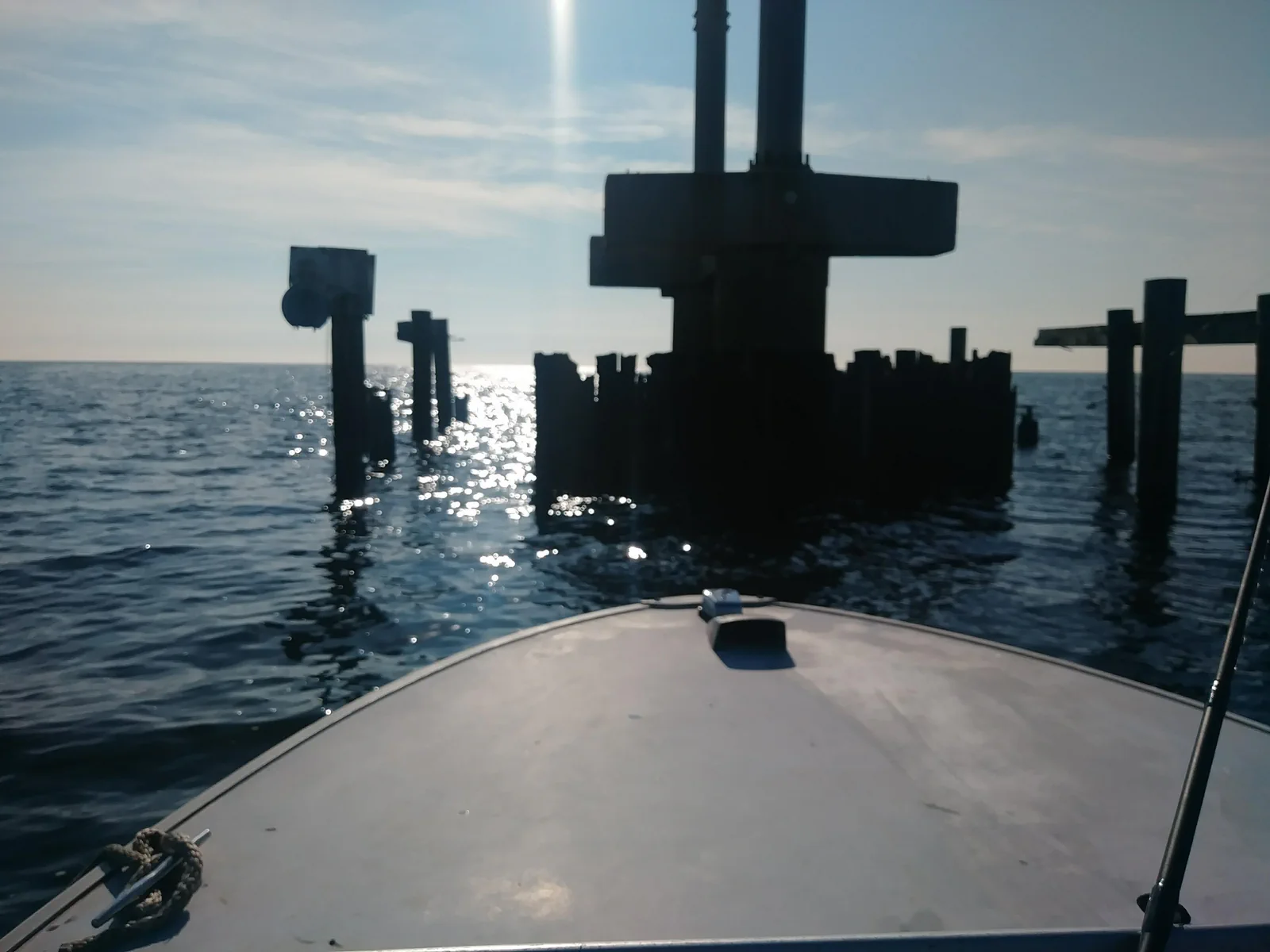
What the Front Changes
Leading into a front, fish tend to expand with warming conditions. After the front, water temperature dips, barometric pressure rises, wind direction shifts, and water levels or clarity can change quickly. Instead of roaming or staging loosely, sheepshead and black drum tend to pull tighter to structure and reduce movement.
- Water temperature dips briefly.
- Barometric pressure rises.
- Wind direction shifts.
- Water levels and clarity can change quickly.
The Pattern
Sheepshead and black drum hold close to bridge pilings, dock and marina structure, oyster beds, shell, and hard structure near deeper water. After a front, that behavior becomes more pronounced. You are not looking for scattered fish. You are looking for fish that are set up tight and holding in place.
- Bridge pilings.
- Dock and marina structure.
- Oyster beds and shell.
- Hard structure near deeper water.
Key Condition Triggers
This pattern is strongest when post-front pressure, wind shift, and a short-term temperature drop all push fish away from loose roaming behavior and back toward controlled holding positions.
- High pressure reduces overall activity and makes tight structure positioning more consistent.
- Wind shifts and increased wind push fish off open water areas and into protected structure zones.
- Short-term temperature drops slow roaming behavior and reinforce structure-oriented positioning.
Where to Focus Within the Structure
Not all structure produces equally after a front. Higher-percentage areas are the pieces of structure that also solve current, depth, and water-quality problems. If you are fishing structure without movement, you are usually fishing empty water.
- Down-current side of pilings.
- Edges of oyster beds near depth transitions.
- Structure with cleaner water compared to surrounding areas.
- Areas with actual water movement, not stagnant water.
Approach
This is a slower, more controlled pattern. Stay tight to structure, fish close to bottom or vertically, and work methodically instead of covering water. Bites, especially from sheepshead, are often light, subtle, and easy to miss if you are rushing.
- Stay tight to structure.
- Fish close to bottom or vertically.
- Work methodically instead of covering water.
- Expect light, subtle bites.
When to Lean on This
This becomes a strong option when a front just moved through, the bite feels inconsistent or scattered, wind limits open water options, or you need a more controlled, repeatable pattern. This is not about finding the most fish. It is about finding the most reliable setup under unstable conditions.
- A front just moved through.
- The bite feels inconsistent or scattered.
- Wind limits open water options.
- You need a controlled, repeatable pattern.
When It Falls Off
This pattern becomes less reliable when water becomes extremely dirty, there is little to no current, structure lacks bait or life, or conditions stabilize and fish begin spreading again. As conditions improve, fish will start moving off tight structure and back into broader patterns.
- Water becomes extremely dirty.
- There is little to no current.
- Structure lacks bait or life.
- Conditions stabilize and fish begin spreading again.
How to Think About It
This is not a seasonal pattern. It is a response to an event. When a front disrupts a warming trend, fish tighten, structure matters more, and movement becomes critical. If you can identify structure, water movement, and water quality, you can still put together a solid trip even when other patterns fall apart.
- Structure.
- Water movement.
- Water quality.
Bottom Line
After a cold front, sheepshead and black drum offer a short-term, structure-based pattern that stays consistent while other fish become harder to track. It is not a guarantee, but it is one of the more reliable ways to stay on fish until conditions settle and broader patterns return. SELA Fishing Forecast focuses on identifying these shifts in real time based on what conditions are doing, not just what they are supposed to do.
How to apply it
This is a slower, more controlled pattern. Stay tight to structure, fish close to bottom or vertically, and work methodically instead of trying to cover water.
Quick answers
Why do sheepshead and black drum get more predictable after a front?
They often reduce movement and tighten to hard structure when pressure rises, wind shifts, and water temperatures dip briefly.
What structure should I start with after a front?
Start with pilings, docks, marina structure, shell, or hard structure near deeper water that still has current and cleaner water.
When does this pattern fall apart?
It gets weaker when water is extremely dirty, current dies, the structure has no bait or life, or conditions stabilize enough for fish to spread again.