Water Clarity
Reading Dirty Water, Clean Water, and the Little In-Between Edges That Save the Day
A whole lot of Southeast Louisiana trips get burned up because somebody decides the mission is finding the prettiest water in the basin. That is not the job. The job is finding water clean enough for the species you are chasing, dirty enough to keep them comfortable, and structured enough that groceries, bait, and fish all still travel through the same little lane.
The read
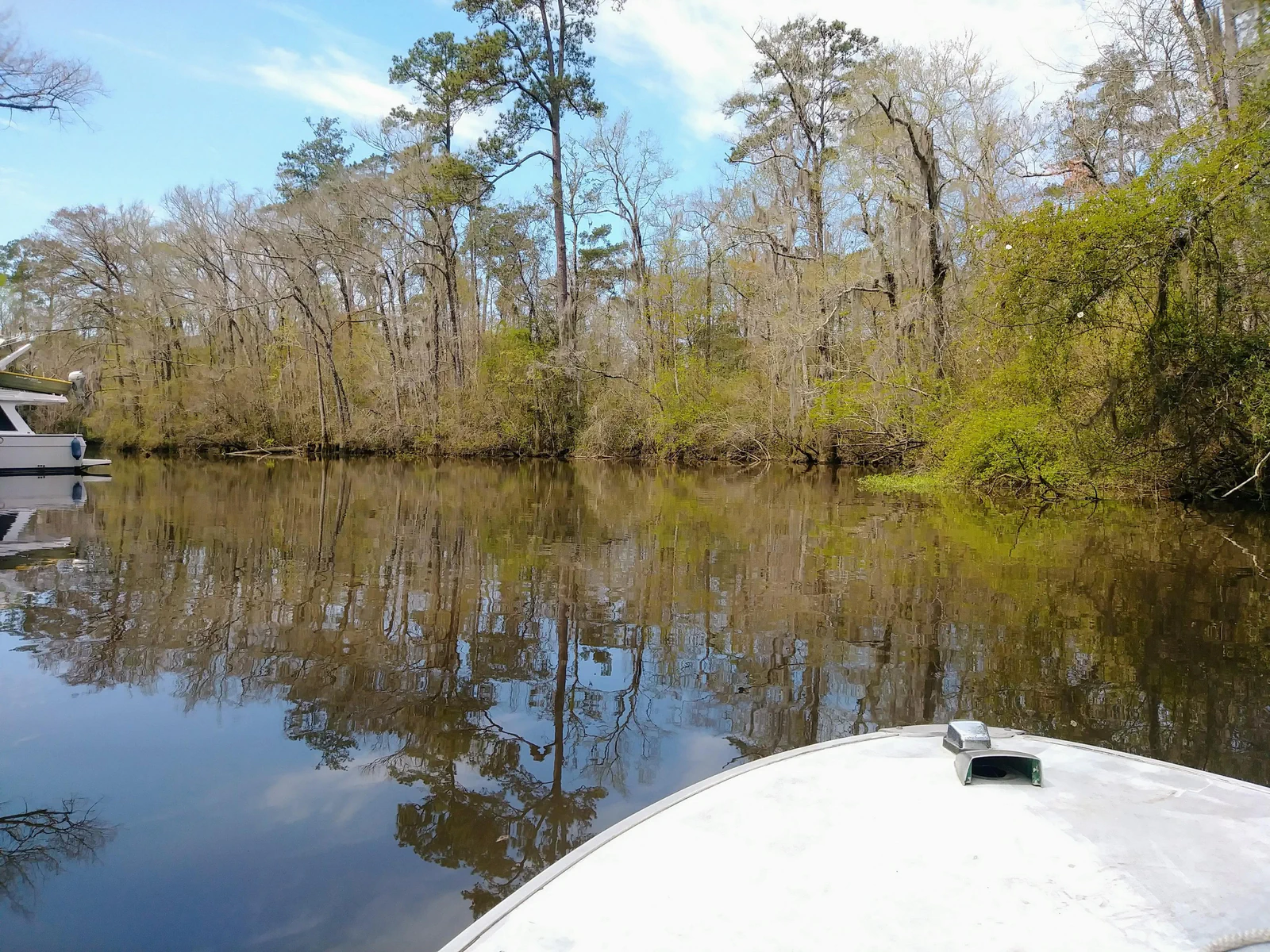
Water color around here is not just a cosmetic detail. It changes how trout track plastics, when redfish trust a spoon versus a shrimp, and whether flounder can sit on an edge with any confidence at all. One seam can be too muddy to matter, the next can be too sterile to hold life, and the little in-between strip can be where the whole day gets decided.
The mistake
The classic mistake is turning the day into a clean-water scavenger hunt. Dirty water can absolutely fish if bait has a route, current is doing something useful, and the fish still have structure to trap groceries against. On the other side, pretty water can be dead water if it has no movement, no bait, and no reason for fish to stay there. Folks waste a lot of good mornings running past fishable edges because those edges do not look glamorous from the deck.
- Pretty dead water is still dead water.
- Slightly stained water with shape and bait can whip cleaner empty water every time.
- If the water changes fast over short distance, the answer is usually nearby, not in the next parish.
What is actually happening
Water color around here is not just a cosmetic detail. It changes how trout track plastics, when redfish trust a spoon versus a shrimp, and whether flounder can sit on an edge with any confidence at all. One seam can be too muddy to matter, the next can be too sterile to hold life, and the little in-between strip can be where the whole day gets decided.
How the bite sets up
The right water is usually the first edge where visibility improves just enough for fish to hunt without feeling exposed. For trout, that often means cleaner shell, nearby depth, and a lane where plastics, twitch baits, or live shrimp can stay visible without looking too exposed. For redfish, it can mean the dirtier side of that same seam if the bait is still pinned to grass, a drain mouth, or a current line. Flounder want the lane to stay organized over bottom they can trust, not just brighter water for the sake of brighter water.
- Look for the first meaningful clarity improvement, not the farthest clean-water fantasy.
- A small bump in visibility can matter more than a thirty-minute relocation.
- Water color only helps if bait, structure, and fish travel all still make sense together.
Movement logic
Start by reading the lane instead of the whole region. Look for shell, grass, drains, points, current seams, or protected turns where the water improves just enough to organize bait and calm the fish down. Then match your lure or live bait to the confidence that edge is actually giving you instead of forcing one presentation because it worked last week.
What it looks like on the water
The right water is usually the first edge where visibility improves just enough for fish to hunt without feeling exposed. For trout, that often means cleaner shell, nearby depth, and a lane where plastics, twitch baits, or live shrimp can stay visible without looking too exposed. For redfish, it can mean the dirtier side of that same seam if the bait is still pinned to grass, a drain mouth, or a current line. Flounder want the lane to stay organized over bottom they can trust, not just brighter water for the sake of brighter water.
How to adjust
Do not panic-run just because the first stop is uglier than you hoped. Slide to the cleaner side of the same bank, the next protected bend, the next shell line, or the seam where the water gives you just a little more visibility and a little more bait control. If the lane still looks nervous, slow the presentation down and lean harder on live bait. If the water feels cleaner and more confident, let artificials cover it until the edge tells you it deserves extra time.
- A short seam move usually solves a clarity problem faster than a basin jump.
- If the fishable strip is small, fish it like it matters instead of dismissing it.
- The dirtier and sketchier the lane gets, the more your pace and bait choice need to settle down.
When it falls off
The classic mistake is turning the day into a clean-water scavenger hunt. Dirty water can absolutely fish if bait has a route, current is doing something useful, and the fish still have structure to trap groceries against. On the other side, pretty water can be dead water if it has no movement, no bait, and no reason for fish to stay there. Folks waste a lot of good mornings running past fishable edges because those edges do not look glamorous from the deck.
- Pretty dead water is still dead water.
- Slightly stained water with shape and bait can whip cleaner empty water every time.
- If the water changes fast over short distance, the answer is usually nearby, not in the next parish.
Bottom line
Do not panic-run just because the first stop is uglier than you hoped. Slide to the cleaner side of the same bank, the next protected bend, the next shell line, or the seam where the water gives you just a little more visibility and a little more bait control. If the lane still looks nervous, slow the presentation down and lean harder on live bait. If the water feels cleaner and more confident, let artificials cover it until the edge tells you it deserves extra time.
How to apply it
Start by reading the lane instead of the whole region. Look for shell, grass, drains, points, current seams, or protected turns where the water improves just enough to organize bait and calm the fish down. Then match your lure or live bait to the confidence that edge is actually giving you instead of forcing one presentation because it worked last week.
Quick answers
Does dirty water always mean leave?
No. It means check whether fish still have a usable lane, real structure, and enough visibility or vibration to feed with confidence. If those still exist, the area can absolutely stay productive.
What is the best sign a stained edge is still worth fishing?
Bait movement, defined structure, and just enough improvement in visibility that fish can still trap groceries in that lane instead of just wandering through it.
When should I stop forcing a dirty edge?
When the water has no bait route, no structural advantage, and no nearby clarity improvement that can realistically change the mood of the fish. At that point you are casting at a problem, not at a lane.