
Launch Checklist
The Pre-Launch Spring Checklist Every Southeast Louisiana Fisherman Ought to Run
Good spring trips do not start at the first cast. They start at the trailer, when you decide whether the plan in your head actually matches what the system is doing right now, what depth the first stop is supposed to solve, and what baits you need if that first read is wrong.
The read
Spring transition fools people because the weather at launch can look perfect while the water you want to fish is still too low, too dirty, or too dead to matter. A trout-first shell plan and a redfish marsh plan do not ask for the same bait, same route, or same confidence.
The mistake
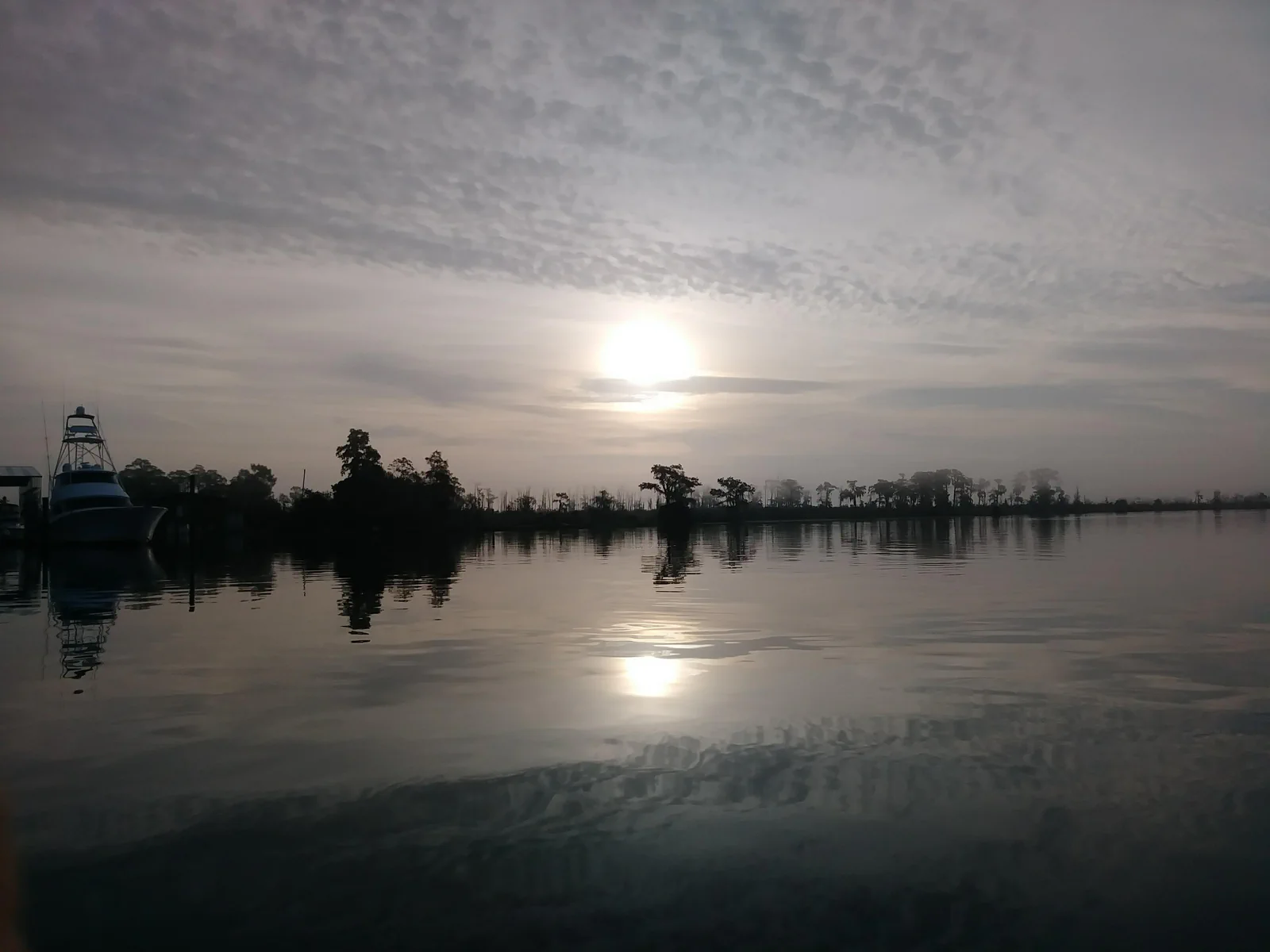
A pretty sunrise fools a lot of people into ignoring the bigger system. The trip goes wrong when the marsh is too low, the bait is not where the first stop needs it, or the backup is so far away it hurts to admit you should have started there. Spring will punish optimism when optimism replaces prep.
- Beautiful launch weather can still lead you to bad target water.
- The first stop often fails because it was chosen out of habit.
- A backup picked late usually costs more than it saves.
What is actually happening
Spring transition fools people because the weather at launch can look perfect while the water you want to fish is still too low, too dirty, or too dead to matter. A trout-first shell plan and a redfish marsh plan do not ask for the same bait, same route, or same confidence.
How the bite sets up
This checklist works best when the first zone, the fallback zone, and the route between them all make sense before you ever back down the ramp. Spring rewards the angler who already knows what the water level should look like, where the bait ought to matter first, and what backup still fits the same day if the first read collapses.
- Check what the wind has been doing, not just what it is doing at launch.
- Know whether your first stop needs active bait or just clean structure to matter.
- Pick one backup that solves the likeliest way the first plan can fail.
Movement logic
Run the checklist before you ever launch, and then use it again after the first stop if the system starts telling you a different story. Make sure the live bait, plastics, corks, or reaction baits on deck actually fit both your first look and your fallback.
What it looks like on the water
This checklist works best when the first zone, the fallback zone, and the route between them all make sense before you ever back down the ramp. Spring rewards the angler who already knows what the water level should look like, where the bait ought to matter first, and what backup still fits the same day if the first read collapses.
How to adjust
Do not treat the checklist like some ritual you only do at the dock. Run it again after the first stop. Re-check the same big questions: did the wind leave the water where you expected it, is the bait really there, and is the backup still the best next move? In spring, that little reset can save the whole day.
- A checklist is a live tool, not a launch-ramp superstition.
- The first stop should confirm the day or redirect it in a hurry.
- If the backup now looks stronger, move before the day gets expensive.
When it falls off
A pretty sunrise fools a lot of people into ignoring the bigger system. The trip goes wrong when the marsh is too low, the bait is not where the first stop needs it, or the backup is so far away it hurts to admit you should have started there. Spring will punish optimism when optimism replaces prep.
- Beautiful launch weather can still lead you to bad target water.
- The first stop often fails because it was chosen out of habit.
- A backup picked late usually costs more than it saves.
Bottom line
Do not treat the checklist like some ritual you only do at the dock. Run it again after the first stop. Re-check the same big questions: did the wind leave the water where you expected it, is the bait really there, and is the backup still the best next move? In spring, that little reset can save the whole day.
How to apply it
Run the checklist before you ever launch, and then use it again after the first stop if the system starts telling you a different story. Make sure the live bait, plastics, corks, or reaction baits on deck actually fit both your first look and your fallback.
Quick answers
What is the most important spring launch habit?
Starting with a real backup plan instead of assuming the first area will fish exactly the way you want it to.
What should I check before I trust a spring first stop?
Recent wind trend, likely water level, and whether the stop depends on real bait movement or just a seasonal idea.
When should I decide the backup was actually the better primary?
As soon as the first stop disproves the water level, bait, or movement assumptions you built the launch around.