
Bridge Water
Pontchartrain and Rigolets Bridge Current Corridors
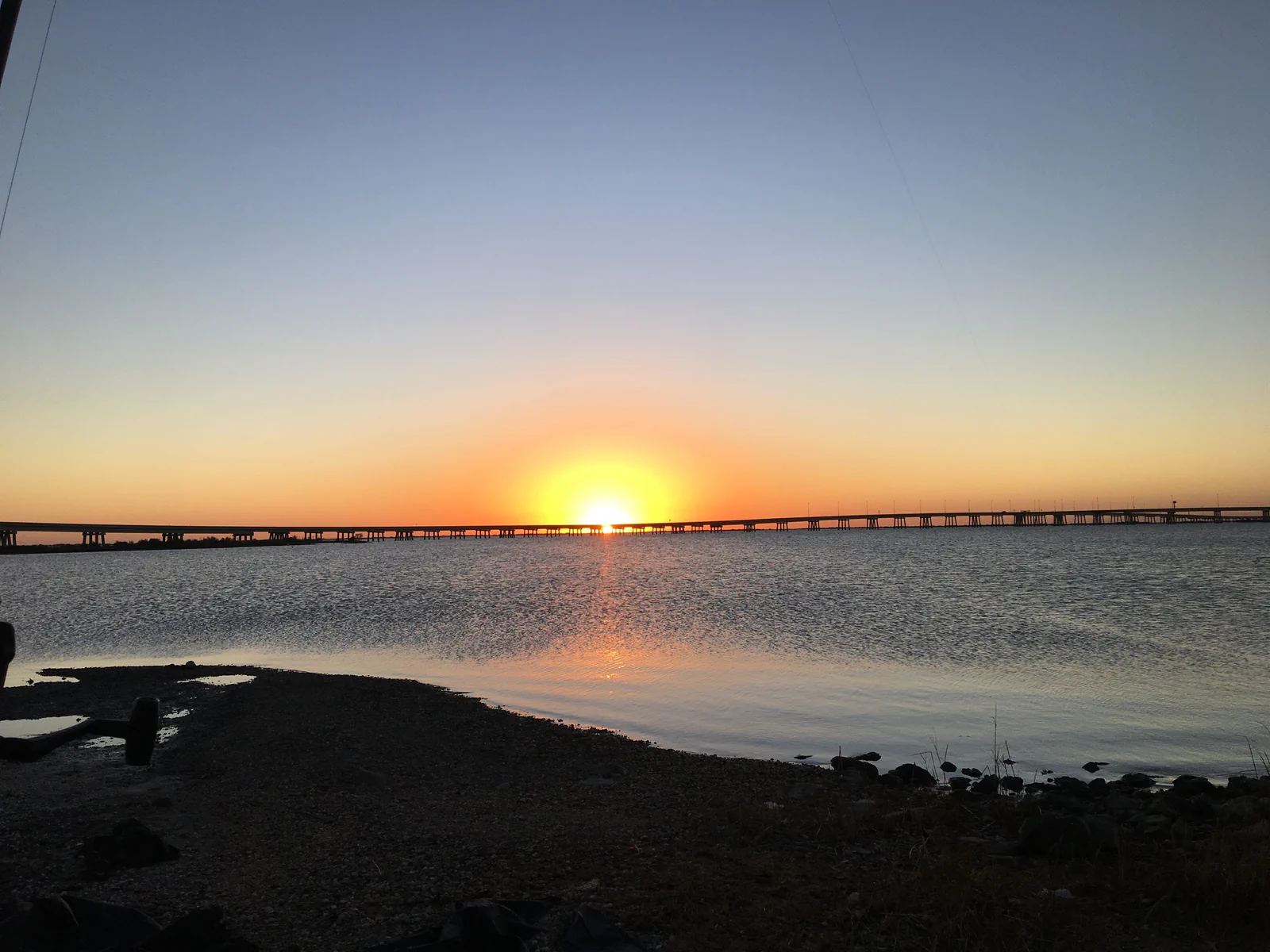
The Pontchartrain and Rigolets corridor rewards anglers who fish current instead of scenery. These areas are directional systems where bait, flow, and structure create short, high-value windows.
The read
This article helps bridge-focused users get beyond simple tide-chart talk.
The mistake
The biggest corridor mistake is confusing structure quantity with feeding quality. Anglers drift past dozens of pilings or bridge sections without ever dialing in the one seam that actually has bait. The other miss is staying too shallow or too obvious when the fish are using a deeper current break that only shows itself once you slow down.
- Bridge water looks fishy everywhere, which is exactly why it wastes time when you do not narrow it quickly.
- A dead current lane rarely turns into the winning lane just because you keep forcing it.
- Poor boat angle can ruin good structure by taking your bait out of the seam too fast.
What is actually happening
This article helps bridge-focused users get beyond simple tide-chart talk.
How the bite sets up
This pattern fits bridges, connected current lanes, shadow lines, pass edges, and structure that forces bait to choose a side. The corridor is strongest when the flow stays organized enough to create a real seam instead of just broad movement across too much dead space.
- Fish the lane where current changes shape, not just the biggest visible structure.
- Connected water near bridge spans usually stays relevant longer than isolated side pockets.
- One small seam can outfish an entire broad lane if bait is compressed there.
Movement logic
Arrive with a plan for the strongest current lanes first, then step out to adjacent structure only after you confirm how bait is riding the corridor.
What it looks like on the water
This pattern fits bridges, connected current lanes, shadow lines, pass edges, and structure that forces bait to choose a side. The corridor is strongest when the flow stays organized enough to create a real seam instead of just broad movement across too much dead space.
How to adjust
If the best lane goes quiet, move laterally before you move far. Check the next depth change, shadow line, or current break in the same corridor before abandoning the whole bridge or pass. If the current has truly softened, shift to the nearest connected edge where fish can still stage without needing the full corridor to fire.
- Change angle before changing spots if you still trust the flow.
- Keep one slower presentation ready for fish that slide deeper as the seam weakens.
- When in doubt, stay in connected water and let the next current pulse find you closer than you think.
When it falls off
The biggest corridor mistake is confusing structure quantity with feeding quality. Anglers drift past dozens of pilings or bridge sections without ever dialing in the one seam that actually has bait. The other miss is staying too shallow or too obvious when the fish are using a deeper current break that only shows itself once you slow down.
- Bridge water looks fishy everywhere, which is exactly why it wastes time when you do not narrow it quickly.
- A dead current lane rarely turns into the winning lane just because you keep forcing it.
- Poor boat angle can ruin good structure by taking your bait out of the seam too fast.
Bottom line
If the best lane goes quiet, move laterally before you move far. Check the next depth change, shadow line, or current break in the same corridor before abandoning the whole bridge or pass. If the current has truly softened, shift to the nearest connected edge where fish can still stage without needing the full corridor to fire.
How to apply it
Arrive with a plan for the strongest current lanes first, then step out to adjacent structure only after you confirm how bait is riding the corridor.
Quick answers
Why do bridge spots fish hot and cold so quickly?
Because the whole pattern is current-driven. When the flow organizes bait, the spot can turn on fast, and when it fades, the value drops with it.
What matters more in bridge water, structure or seam?
Seam. Structure only becomes valuable when it shapes the current enough to hold bait and give fish a repeatable feeding lane.
When should I leave a corridor lane?
Leave when you have checked the best angle, the nearest depth variation, and the next likely seam and still do not see bait or feeding signs.