
Late Spring Spread
Points, Pockets, and the First Good Summer Spread
May and June are when Southeast Louisiana starts opening up fast, but the best late-spring trips still come from finding where bait, movement, and structure tighten together first.
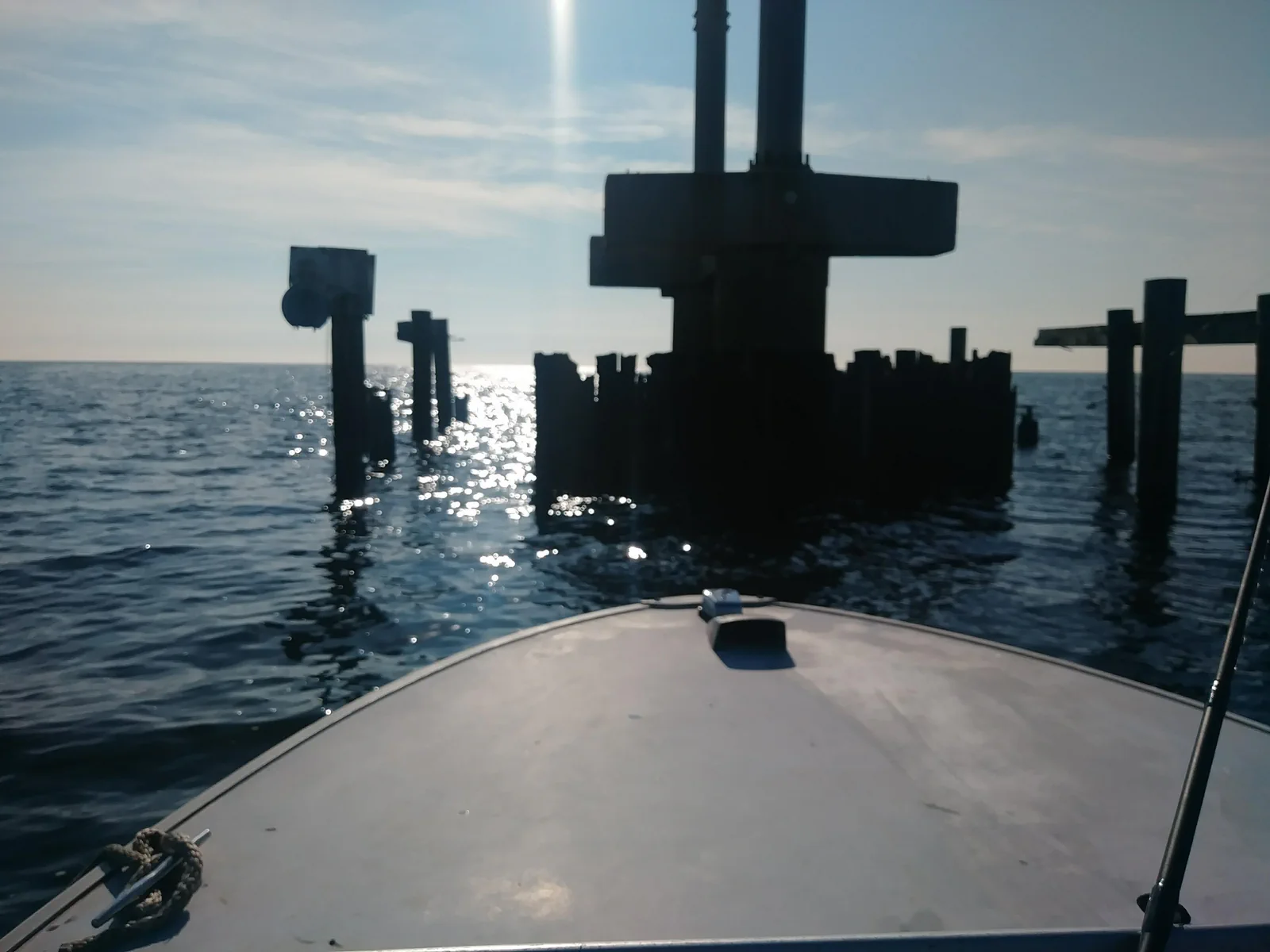
The Mistake
Most people read expanding summer water as permission to roam. They start covering water instead of narrowing it down. Then the day turns into running, guessing, changing lures, and fishing water that never really had a reason to hold fish in the first place. More options do not automatically create a better pattern. Late-spring water gets vague fast when you fish it too broad.
What's Actually Happening
May and June are controlled by expanding bait and shrinking clean windows. Shrimp begin spreading deeper into the system. Small baitfish move farther onto points, grass, pockets, and outside edges. At the same time, boat traffic increases, wind spreads dirty water faster, and heat shortens the clean early feed. That opens more water, but it also makes weak water look stronger than it really is.
The Pattern
The better pattern is not fishing more water. It is finding the first place where bait is moving with purpose, structure organizes that movement, and a second move already exists nearby. Points, drains, reefs, grass edges, and current seams matter when they create direction, not just casting space. The first stop should answer the morning quickly.
What This Looks Like on the Water
You start on a clean point with bait crossing the edge. The water has movement. Shrimp are flicking. The lane feels organized. Then the sun gets higher, the movement weakens, and the broad open water around you starts feeling empty. Instead of wandering, you slide tighter toward a drain, a reef edge, a grass seam, or a protected pocket nearby. The fish did not disappear. The useful water just got smaller.
Movement Logic
Rising water pushes bait farther onto protected shorelines, grass edges, and shallow points. Falling water tightens shrimp and baitfish around drains, reef edges, cuts, and mouths. Weak movement spreads fish too loosely. That is when tighter structure and defined current seams become more important than covering water.
How to Adjust
Fish late spring like a sequence, not a free-for-all. Use the early clean window first. Let bait movement tell you how broad to stay. Keep the next move close enough to protect the best part of the morning. Good water should explain itself quickly. If it does not, move before the whole day turns into random casting.
Bottom Line
May and June fish best when you stop treating expanding water like unlimited opportunity. The better trips still come from bait with purpose, structure with direction, and lanes that tighten fish instead of scattering them. Fish the sequence. Not the whole map.
How to apply it
Fish the sequence. Start where bait, movement, and structure tighten together, then keep the next move close enough to protect the best part of the morning.