
May Drains
May Shrimp in the Drains: When the Easy Read Is Finally Real
By early May, little drains stop being random scenery and start becoming something you can actually build a stop around.
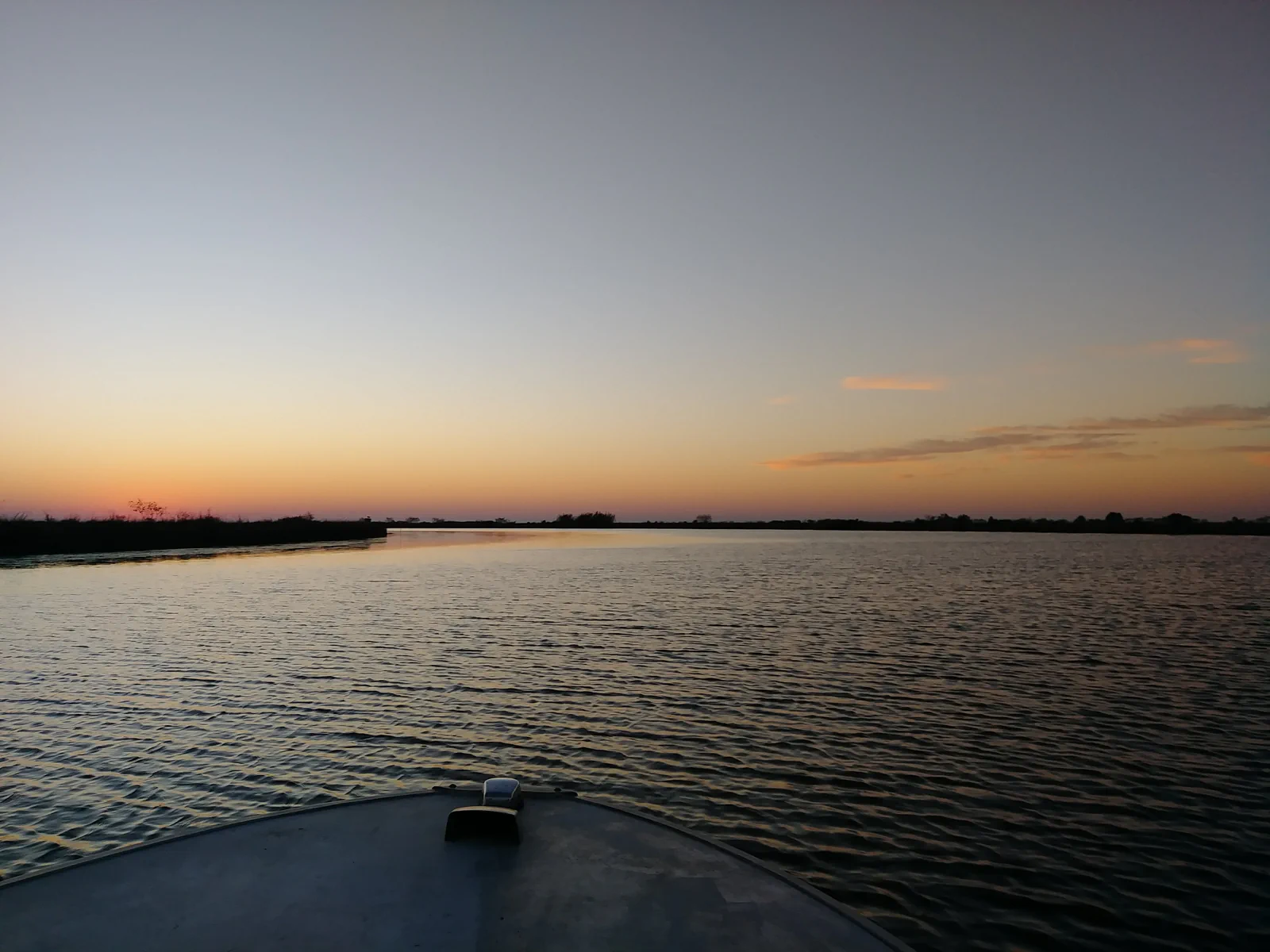
The read
The best May water is not just "water with bait." It is water where bait is moving through something fish can actually use. A drain matters because shrimp are crossing through it with current. A point matters because movement is wrapping around it. A reef matters because bait is getting pinned against it. The easy read finally starts becoming real this time of year. But it still has to pass the bait-and-movement test.
The mistake
The mistake is thinking more seasonal water means more good water. So people start fishing everything that looks alive. A few casts at every drain. A few casts at every shoreline. A drift across every reef. A random stop because mullet flipped once. That usually turns into running, guessing, and changing lures all morning. If the water has no movement, no organized bait, and no structure helping fish position correctly, it is probably just pretty water.
What is actually happening
May and June are controlled by expanding bait and shrinking clean windows. Shrimp, warming water, wind, boat pressure, and longer daylight all spread fish out more. The marsh gets bigger. But the best feeding windows often get tighter. That early clean trout opportunity may only last a short time before the better move becomes shifting tighter to drains, points, reef edges, or protected redfish water. The fishermen who adjust early usually stay with the better part of the bite. The fishermen who keep chasing broad water usually feel late all morning.
How the bite sets up
The pattern is usually a sequence. Use the cleaner early window first. Then follow the bait toward places where movement still stays organized after the broad feed starts fading. Points. Drains. Reef corners. Grass edges. Protected current seams. The structure itself is not the answer. The answer is whether bait is actually moving through it in a way fish can use efficiently.
Movement logic
Rising water lets shrimp and bait spread farther across shorelines, grass, and shallow points. Falling water tightens that movement back toward drains, cuts, reef edges, and mouths. Weak movement usually makes broad water fall apart fast. That is when tighter structure and smaller feeding lanes start becoming more important.
What it looks like on the water
The best May drains usually look organized instead of random. You see shrimp crossing the cut instead of flicking aimlessly somewhere nearby. You see current pushing through the mouth instead of dead water sitting still. You see mullet traveling instead of wandering. You see cleaner water holding on the protected side. The lane feels connected to something larger. That is usually the difference between a drain that consistently reloads and one that just looks good from the map.
How to adjust
Fish May like a progression instead of a single pattern. Take the low-light trout opportunity if it is there. Then tighten up as the broad water starts loosening. Shift toward drains, points, reefs, and cleaner moving water before the bite completely fades. The best fallback is usually close enough to protect the strongest part of the morning instead of forcing a full reset.
When it falls off
This setup falls apart when the bait loses organization. Shrimp without movement are not enough. A reef without current loses value fast. A drain without crossing bait becomes dead scenery quickly. And once the broad water loses movement, running farther usually makes the day worse instead of better. That is normally when the tighter redfish or protected drain pattern starts making more sense.
Bottom line
May finally gives Southeast Louisiana fishermen the kind of water that looks easy to read again. The drains wake up. The shrimp start moving. The marsh spreads out. But the best trips still come from reading organized movement instead of fishing every place that simply looks alive. The easy read is finally real. It still has to prove itself.
How to apply it
Take the low-light opportunity if it is there, then tighten toward drains, points, reefs, and cleaner moving water before the bite fades.