Lower-Coast Call
How Grand Isle Trips Get Better When You Stop Forcing the Beaches
The lower coast gets easier when you stop choosing the run first. The better mixed-bag trips start with route safety, water quality, current, and a protected next move if the exposed idea fades.
First move
Start with the decision
- Start here: Start with the zone that gives the safest fishable window, the cleanest current lane, and the strongest protected second move before the exposed idea eats the morning.
- If not working: If the water is already dirty, the drift is breaking apart, the current loses shape, or the route starts becoming the main challenge, tighten toward protected passes, bayou edges, current-fed side water, marsh drains, or cleaner fallback lanes nearby.
- Avoid: Do not keep running farther just because the original idea sounded bigger.
The Read
The lower coast gets easier when you stop choosing the run first. A lot of Grand Isle, Fourchon, Leeville, Cocodrie, and Venice trips fall apart before the first cast because the decision was built around the place that sounded best at the dock instead of the conditions actually shaping the day. The better mixed-bag trips usually start smaller than that.
- Route safety.
- Water quality.
- Current.
- A protected next move if the exposed idea fades.
The Mistake
Most anglers commit to the famous water before they check whether the day actually supports it. They decide on the beach, outer rigs, exposed trout water, or a long open run. Then they start checking wind, clarity, current, and fallback options after they are already committed. That is backwards.
What Is Actually Happening
The lower coast changes fast. Wind exposure, pass current, boat traffic, tide movement, and water color can completely change the value of a run within a few hours. A place can still hold fish and still be the wrong decision. The best lower-coast trips usually come from matching the zone to the usable window, not forcing the biggest idea on the map.
The Pattern
The cleaner pattern is to let current, water quality, and fallback structure decide how aggressive the run should be. Exposed trout water needs cleaner conditions, manageable wind, and a safe route both ways. Passes, points, and cuts need movement that organizes bait instead of scattering it. Protected marsh and bayou edges need enough water, bait movement, and stable lanes that stay fishable once the open water starts falling apart.
What This Looks Like on the Water
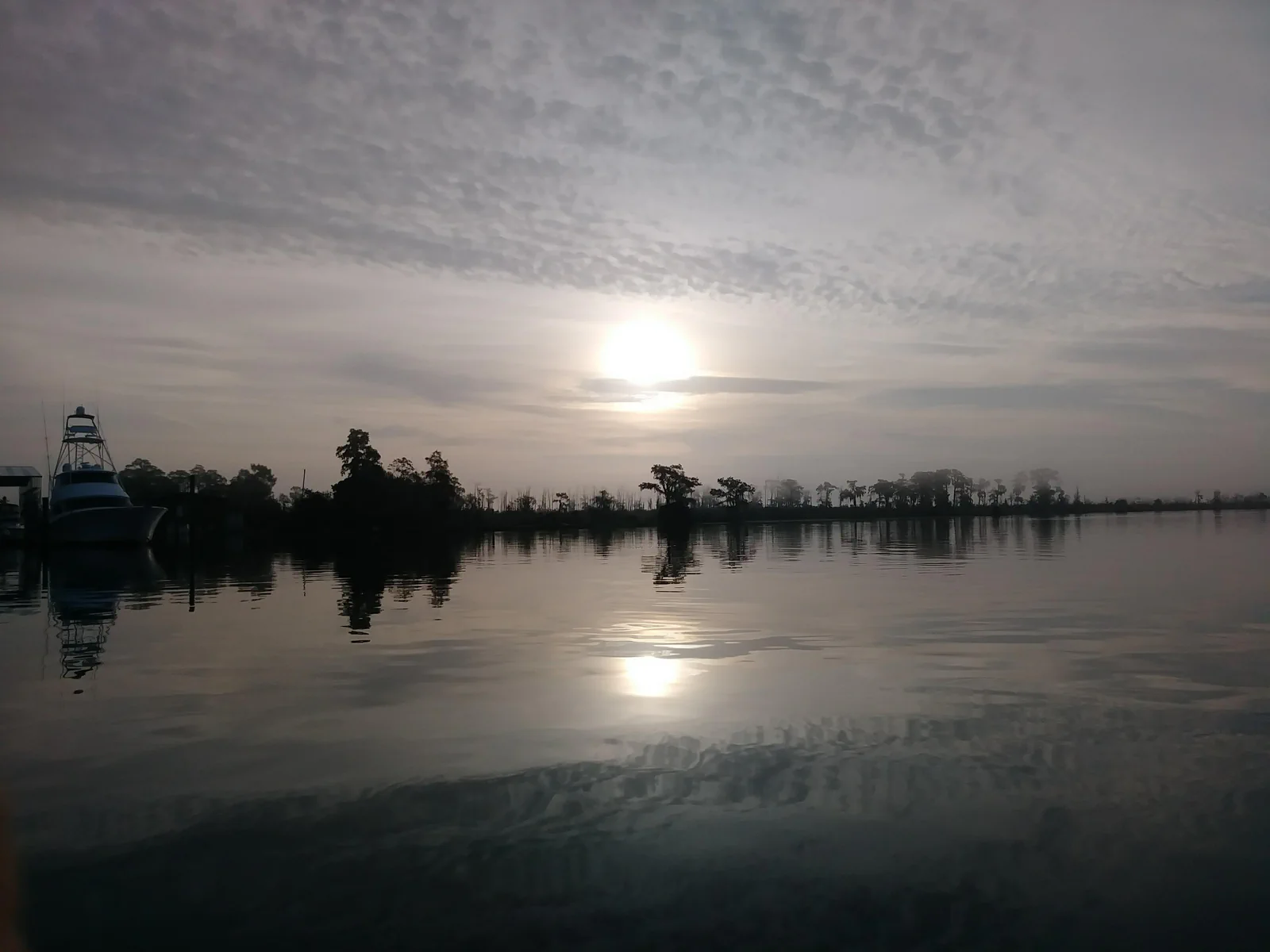
At daylight, the beach may look tempting. The run feels possible. The water looks decent enough. The forecast still looks manageable. Then by midmorning the drift gets sloppy, the ride gets rough, the water loses shape, and the entire trip starts revolving around surviving the exposure instead of fishing effectively. Meanwhile, a shorter protected lane may still have bait crossing points, current-fed drains, cleaner side water, and fish that never stopped feeding. The better trip is usually the one that stayed fishable longer.
First Move
Start with the zone that gives the safest fishable window, the cleanest current lane, and the strongest protected second move before the exposed idea eats the morning. Good lower-coast planning is not about avoiding open water. It is about making sure the open-water move still has value after the first condition check.
Movement Logic
Moving water can make passes, cuts, points, and current-fed edges extremely strong. But only if the route stays safe, the water quality holds, and the wind allows the lane to remain organized. A building wind can turn a good beach idea into a protected-edge day very quickly.
How to Adjust
Make the exposed move earn your time. If the water is already dirty, the drift is breaking apart, the current loses shape, or the route starts becoming the main challenge, tighten up. Slide toward protected passes, bayou edges, current-fed side water, marsh drains, or cleaner fallback lanes nearby. Do not keep running farther just because the original idea sounded bigger.
When It Falls Apart
This pattern fails when anglers ignore the first honest condition check. The trip usually starts going wrong when route safety becomes questionable, exposed water loses clarity, movement stops organizing bait, or the fallback is too far away to matter. That is when the day turns into chasing reputation instead of reading conditions.
Bottom Line
The best lower-coast decision is not always the biggest run. It is the run that stays fishable, protects the crew, keeps bait organized, and gives the day a second move before conditions collapse. Good Grand Isle trips usually get cleaner when passes, current lanes, and protected fallback water start outranking blind commitment to the beaches.
How to apply it
Start with the zone that gives the safest fishable window, the cleanest current lane, and the strongest protected second move before the exposed idea eats the morning.
Quick answers
When is the lower-coast run worth it?
When wind, route safety, water color, current, and fallback options all support the move together.
What is the best backup?
A protected current-fed lane that still keeps bait, movement, and fishable water organized once the exposed water starts losing value.