Hopedale System
Fishing the Hopedale System: Playing the Edges, Chasing the Bait, and Finding Clean Water
Hopedale shows you a lot of water, which is exactly why the plan has to stay simple. The best trips happen where nervous bait, a sharp edge, and a lane of decent clean water all come together.
The read
This turns the private marsh-edge knowledge into something local and actionable.
The mistake
This pattern falls apart when wind picks up or the tide drops out and strips the bait off the bank. The marsh can still look fishy from a distance while the actual feeding water is dead, and a single mullet jump is not the same thing as a true bait lane that will keep fish feeding.
- If there is no tide moving across an edge, it becomes a travel route instead of a feeding route.
- When the water blows out and loses its shape, the fish scatter.
- Pretty grass in dead stagnant water is still a waste of time.
What is actually happening
This turns the private marsh-edge knowledge into something local and actionable.
How the bite sets up
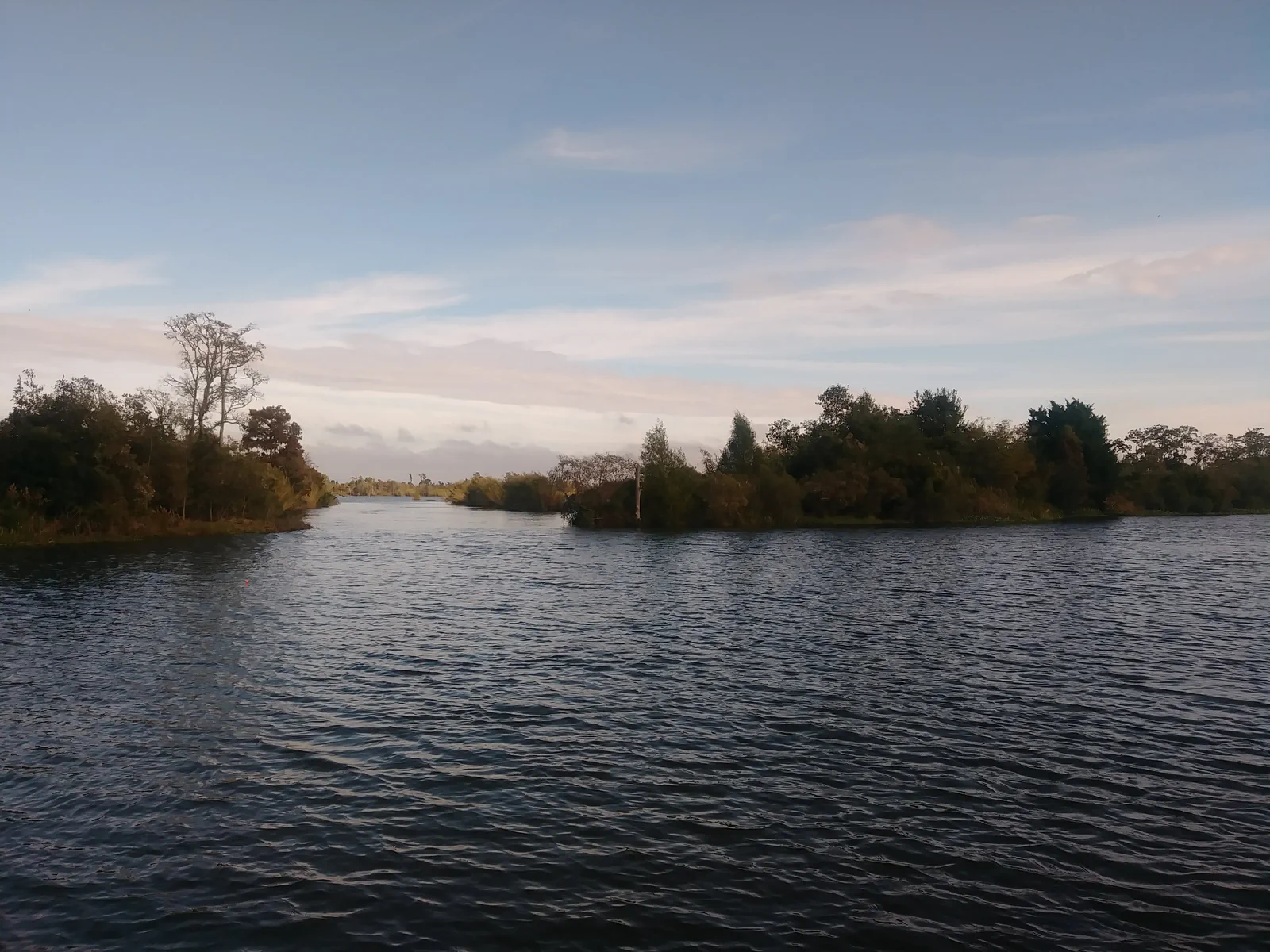
This pattern is built for grass lines, tidal drains, hard points, and pond mouths where fish can pin bait against a defined edge. Hopedale gets a lot easier when you stop trying to solve the whole system and just ask whether this lane still has movement, life, and a reason for forage to stay there.
- Sharp turns and defined mouths usually tell the story faster than long straight banks.
- A narrow clean lane with moving tide beats a massive lifeless bay.
- A good Hopedale edge should feel like a highway for fish, not random water.
Movement logic
Keep it simple and let the groceries tell you where to be. If a bank has no flow, no bait, and no clean water, keep the trolling motor moving until the marsh gives you a reason to stop.
What it looks like on the water
This pattern is built for grass lines, tidal drains, hard points, and pond mouths where fish can pin bait against a defined edge. Hopedale gets a lot easier when you stop trying to solve the whole system and just ask whether this lane still has movement, life, and a reason for forage to stay there.
How to adjust
When a bank dies, stay in the same general area before making a giant move. Check the next point over, idle into the nearest drain, or find the connected fallback lane that keeps more depth and movement. Hopedale rewards small calculated adjustments because the next good lane is often just around the corner from the dead one you just left.
- Slide from broad edge water into tighter structure before changing whole zones.
- Let bait movement make the call instead of hoping a dead bank wakes up.
- If the edge is a ghost town, chalk it up and fish the fallback deeper structure.
When it falls off
This pattern falls apart when wind picks up or the tide drops out and strips the bait off the bank. The marsh can still look fishy from a distance while the actual feeding water is dead, and a single mullet jump is not the same thing as a true bait lane that will keep fish feeding.
- If there is no tide moving across an edge, it becomes a travel route instead of a feeding route.
- When the water blows out and loses its shape, the fish scatter.
- Pretty grass in dead stagnant water is still a waste of time.
Bottom line
When a bank dies, stay in the same general area before making a giant move. Check the next point over, idle into the nearest drain, or find the connected fallback lane that keeps more depth and movement. Hopedale rewards small calculated adjustments because the next good lane is often just around the corner from the dead one you just left.
How to apply it
Keep it simple and let the groceries tell you where to be. If a bank has no flow, no bait, and no clean water, keep the trolling motor moving until the marsh gives you a reason to stop.
Quick answers
Should I stay or should I go?
Stay if the bait is nervous, the edge is well-defined, and the water gives fish a comfortable place to hold and ambush.
How do I choose between two decent-looking lanes?
Take the one with slightly better clarity, a sharper grass line, and bait that looks like it is actually traveling a route instead of wandering.
When is it time to back off the edge?
When the tide dies, the bait vanishes, and you have worked every angle without a tap. Back out to deeper connected structure instead of forcing it.