
Pass Water
Fishing Grand Isle and the Passes: A Spring Mixed-Bag Game Plan
Late-March Grand Isle is not an automatic surf hero bite. The better play is treating the island like a split system: exposed pass water only when current, clarity, and safety all line up, and protected side water when the broad open idea has not earned your time yet.
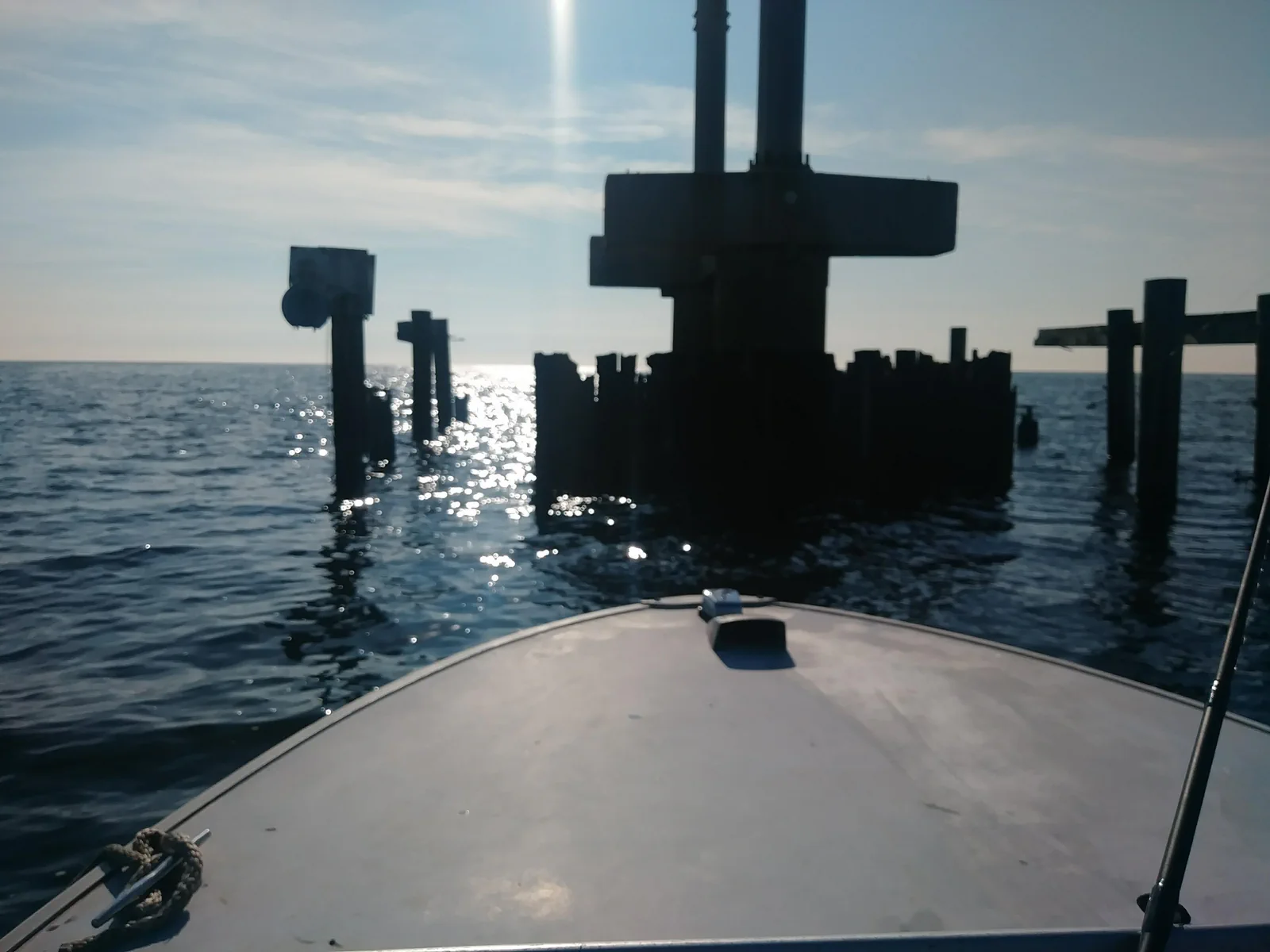
The read
This is still an early lower-coast spring window, so the area usually fishes smaller and more condition-dependent than people want it to. The island can absolutely give you a strong day, but it needs moving bait, clean-enough water, and a lane that still holds shape when the exposed side gets ugly.
The mistake
This plan falls apart when people show up expecting the whole island to fish like a late-spring or summer postcard. That is how the day gets burned up in rough surf, scattered bait, dirty water, and giant open stretches that look exciting but never get honest. Lower-coast options are only valuable when conditions shrink them into a real answer.
- A big exposed run does not become smart just because the location sounds famous.
- If the pass water has no clean edge and no organized groceries, it is just open water.
- Fishing Grand Isle like it is already in full late-spring mode is the fastest way to make March feel disappointing.
What is actually happening
This is still an early lower-coast spring window, so the area usually fishes smaller and more condition-dependent than people want it to. The island can absolutely give you a strong day, but it needs moving bait, clean-enough water, and a lane that still holds shape when the exposed side gets ugly.
How the bite sets up
The best late-March water around Grand Isle is the lane that still has enough salt, enough movement, and enough protection to keep the bait organized. Sometimes that is a pass edge or current seam. Sometimes it is the backside, the lee water, or tighter structure that still fishes clean when the broad exposed side is not ready to carry the whole day.
- The right lower-coast lane should feel fishable and believable, not just dramatic.
- A protected clean edge can outrank a bigger dirtier pass in this early window.
- Mixed-bag water is strongest when several species can use the same zone for different reasons, not when you are forcing all of them into one idea.
Movement logic
Check the exposed side honestly first, but do not fall in love with it. If the pass or beach water is not clean and organized, fish the protected side, the tighter edge, or the nearby structure that still gives bait and fish a usable lane before you start making long hopeful moves.
What it looks like on the water
The best late-March water around Grand Isle is the lane that still has enough salt, enough movement, and enough protection to keep the bait organized. Sometimes that is a pass edge or current seam. Sometimes it is the backside, the lee water, or tighter structure that still fishes clean when the broad exposed side is not ready to carry the whole day.
How to adjust
When the first exposed idea is not right, do not keep donating the day to pride. Slide into the cleaner protected side, the slower edge, or the nearby structure that still keeps some movement and bait life. If trout never really show, let the trip become a tighter redfish-or-flounder style day instead of trying to force a glamorous mixed box that conditions never supported.
- Treat the protected side as a real plan, not an admission of failure.
- A smaller honest lane beats a bigger exciting one that never settles down.
- Let the first clean active water decide whether the day stays mixed-species or narrows into one dependable target.
When it falls off
This plan falls apart when people show up expecting the whole island to fish like a late-spring or summer postcard. That is how the day gets burned up in rough surf, scattered bait, dirty water, and giant open stretches that look exciting but never get honest. Lower-coast options are only valuable when conditions shrink them into a real answer.
- A big exposed run does not become smart just because the location sounds famous.
- If the pass water has no clean edge and no organized groceries, it is just open water.
- Fishing Grand Isle like it is already in full late-spring mode is the fastest way to make March feel disappointing.
Bottom line
When the first exposed idea is not right, do not keep donating the day to pride. Slide into the cleaner protected side, the slower edge, or the nearby structure that still keeps some movement and bait life. If trout never really show, let the trip become a tighter redfish-or-flounder style day instead of trying to force a glamorous mixed box that conditions never supported.
How to apply it
Check the exposed side honestly first, but do not fall in love with it. If the pass or beach water is not clean and organized, fish the protected side, the tighter edge, or the nearby structure that still gives bait and fish a usable lane before you start making long hopeful moves.
Quick answers
Why is Grand Isle good for a mixed-species day?
Because passes, protected side water, and adjacent structure can hold several species in the same general zone once current, salinity, and bait all line up enough to make the area fishable.
What has to be true for a mixed-species pass plan to work?
You need clean-enough water, enough movement to organize the bait, and conditions that let the exposed side or nearby protected edge hold shape long enough to fish with confidence.
When should I leave the pass and fish something simpler?
Leave when the exposed side stays dirty, rough, or baitless long enough to prove it is not the deal. In this window, the simpler better answer is often the protected side or the tighter adjacent structure.